Most Boise homeowners do not realize they have termites until the damage is already serious.
That is what makes termites so expensive. They do not usually announce themselves with obvious pests out in the open. Instead, they work quietly behind walls, near foundations, in crawl spaces, and around structural wood where moisture gives them a foothold.
If you have noticed mud tubes, soft wood, blistering paint, or unusual damage near your foundation, it may be more than cosmetic wear. In many Boise homes, these are early warning signs of termite activity.
Are termites a problem in Boise?
Yes, termites can absolutely be a problem in Boise.
In this area, the main concern is subterranean termites. These termites live in the soil and travel through mud tubes to reach wood inside or underneath a home. Because they need moisture to survive, they often stay hidden while feeding on structural materials over time.
That means a Boise homeowner may not see live termites at all. What they usually notice first is the evidence they leave behind.
If you suspect termite activity, it’s important to have the problem inspected by a local professional familiar with common pest issues in the area. The technicians at Barrier Pest Control’s Boise office regularly inspect homes throughout the Treasure Valley for early signs of termite activity.
Common signs of termites in Boise homes
The most common signs of termites include:
1. Mud tubes on walls, foundations, or support areas
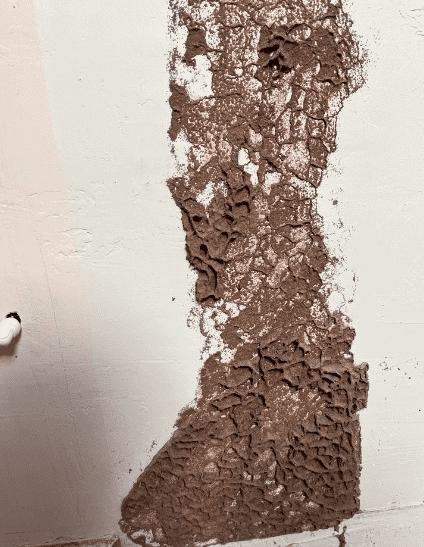
Mud tubes are one of the clearest warning signs of subterranean termites. These narrow, dirt-like tunnels help protect termites as they travel between the soil and the wood they are feeding on.
The photo above is a strong example of what this can look like. Mud tubes may appear along foundation walls, crawl space surfaces, garage edges, or lower wall areas.
2. Wood that sounds hollow or feels weak
Termites eat wood from the inside out. A board, trim piece, or support area may look mostly normal on the surface while the interior has already been damaged.
3. Bubbling paint or blistered surfaces
Homeowners sometimes mistake termite-related damage for moisture problems or old paint issues. In reality, activity below the surface can distort how paint or drywall looks.
4. Tight doors or windows
As termites damage wood and surrounding materials shift, some doors and windows may suddenly become harder to open or close.
5. Swarmers or discarded wings
In some cases, homeowners may notice winged termites or small piles of shed wings near windows, doors, or light sources.
Why termites are hard to catch early
Termites are stealth pests. That is the whole problem.
Unlike ants, spiders, or rodents, termites are usually not moving around where you can easily see them. In Boise homes, they often stay active in places like:
- crawl spaces
- foundation edges
- sill plates
- wall voids
- garage transitions
- moisture-prone wood around the structure
By the time visible damage appears, termites may have already been active for quite a while.
What makes a Boise home more vulnerable to termites?
Not every home has the same level of risk. Some of the most common contributing factors include:
Wood-to-soil contact
When wood touches soil directly, termites have an easier path into the home.
Moisture issues
Leaks, poor drainage, damp crawl spaces, and irrigation near the foundation can create better conditions for termite activity.
Cracks or entry points near the foundation
Even small structural gaps can give termites access.
Older construction and neglected exterior maintenance
Homes with aging wood, worn seals, or past moisture issues may be more vulnerable.
What should you do if you see termite tubes?
Do not ignore them, and do not assume the issue is old.
A lot of homeowners make the mistake of seeing dried mud tubes and thinking the problem has passed. That is lazy thinking, and it can get expensive fast. Even if activity looks inactive, the only smart move is to have the area inspected.
If you see mud tubes:
- do not rip everything apart
- do not just paint over the damage
- do not assume it is harmless
- schedule a termite inspection as soon as possible
A professional inspection can help determine whether the activity is current, where termites may be entering, and what treatment approach makes sense.
Can termite damage be mistaken for something else?
Yes. That is one reason infestations get missed.
Homeowners sometimes confuse termite damage with:
- water damage
- settling cracks
- peeling paint
- aging wood
- minor drywall issues
The danger is not just misdiagnosing the problem. It is delaying action while termites continue feeding behind the surface.
Why early termite detection matters
Termites do not get cheaper with time.
The earlier termite activity is found, the better your odds of limiting structural damage, avoiding bigger repair costs, and protecting the value of your home. A small warning sign today can turn into a much larger repair job if it is ignored.
Termite inspections in Boise
If you are seeing possible signs of termites in your Boise home, the smartest next step is a professional inspection.
A thorough inspection can help identify:
- visible termite activity
- likely entry points
- moisture conditions contributing to the problem
- damaged areas that need further evaluation
- whether treatment or monitoring is needed
Final thoughts
Termites in Boise are a real concern because they often stay hidden until homeowners notice mud tubes, damaged wood, or changes near the foundation.
If you see signs like the ones shown in the photo above, do not brush them off as cosmetic damage. Termites work quietly, and delays only make the problem worse.
If you suspect termite activity, schedule an inspection and get answers before more damage is done.
