Homeowners across Boise and Eagle are becoming more aware of increasing rat activity throughout the Treasure Valley. But what many residents don’t realize is that rat problems often begin weeks — or even months — before obvious signs appear.
In many cases, rats are already living inside a home long before homeowners recognize what’s happening.
Because modern Boise neighborhoods feature mature landscaping, irrigation systems, and easy access to greenbelts and waterways, rodents can move quietly between properties without being noticed. Early detection is the key to preventing a small issue from turning into a larger infestation.
If you live in Boise, Eagle, or surrounding communities, here are the early warning signs pest professionals commonly see during inspections.
1. Scratching or Movement Sounds at Night
One of the earliest indicators of rat activity is noise after dark.
Rats are nocturnal, meaning they become active when homes are quiet. Many Boise homeowners describe hearing:
- Light scratching inside walls
- Movement above ceilings
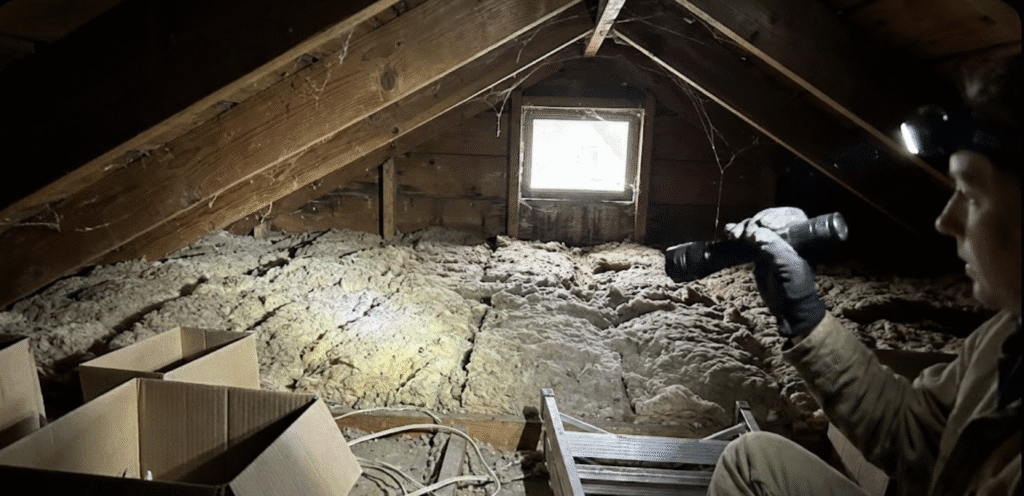
- Scurrying sounds in attics late at night
Because roof rats often nest above living spaces, noises may sound faint or intermittent at first. These sounds are frequently mistaken for settling houses or normal outdoor activity.
If noises consistently occur between evening and early morning hours, rodents may already be present.
2. Droppings Appearing in Garages or Storage Areas
Garages are one of the most common starting points for infestations in Boise homes.
Rat droppings are typically:
- Dark brown or black
- Capsule-shaped
- Larger than mouse droppings (about ½–¾ inch long)
Homeowners often notice droppings near:
- Stored boxes
- Garage walls
- Shelving areas
- Pet food containers
Because many Treasure Valley homes use garages for storage, activity can go unnoticed for extended periods.
3. Pets Fixating on Walls, Ceilings, or Cabinets
This is one of the most overlooked warning signs.
Dogs and cats often detect rodent movement long before humans hear or see anything. Pets may:
- Stare at ceilings or specific wall areas
- Bark or paw at cabinets
- Act unusually alert at night
- Follow sounds homeowners cannot hear
During inspections, technicians frequently hear homeowners say their pet “has been acting strange for weeks” before rat activity becomes obvious.
4. Greasy Rub Marks Along Walls or Edges
Rats follow consistent travel routes known as “runways.”
As they move repeatedly along walls or beams, oils from their fur leave dark smudge marks. These marks may appear:
- Along baseboards
- Near garage corners
- Around attic beams
- Along fence lines outside
In Boise homes with tight side yards or dense landscaping, these travel paths often develop unnoticed.
5. Chewed Materials or Small Exterior Damage
Rats constantly gnaw to keep their teeth from overgrowing.
Common damage found during local inspections includes:
- Chewed plastic irrigation lines
- Damaged vent screens
- Gnawed wiring or insulation
- Openings near rooflines or soffits
Because roof rats are strong climbers, entry points are frequently located above ground level — something many homeowners don’t initially suspect.
6. Fruit Trees or Backyard Areas Showing Disturbance
Treasure Valley properties often include fruit trees, gardens, or backyard poultry setups, which can unintentionally attract rodents.
Signs may include:
- Partially eaten fruit on the ground
- Disturbed garden soil
- Feed containers showing chew marks
- Increased nighttime outdoor activity
Even clean, well-maintained yards can provide enough food and shelter for rats if conditions are favorable.
7. Unexplained Odors in Attics or Wall Spaces
As rat activity increases, homeowners may notice musty or unpleasant odors coming from:
- Attics
- Crawlspaces
- Storage areas
- Inside walls
These smells can result from nesting materials, droppings, or hidden activity areas. Because airflow carries odors through vents and ductwork, the source is not always obvious.
Why Boise Homeowners Often Miss Early Rat Activity
Unlike some rodents, roof rats prefer elevated nesting areas such as attics and wall voids. This allows infestations to develop quietly before visible signs appear.
Local conditions that contribute to hidden activity include:
- Mature landscaping common in Boise neighborhoods
- Irrigation canals and greenbelt corridors
- Mild winters allowing higher survival rates
- Urban growth pushing rodents toward residential structures
These factors allow rats to travel between homes without being easily detected.
If you haven’t yet read about why rat populations are increasing locally, you can learn more in our article on rising rat activity across Boise and Eagle neighborhoods.
When a Small Problem Becomes a Larger Infestation
Rats reproduce quickly. A small population can grow significantly within a short period if entry points remain open.
Waiting until sightings occur often means activity has already expanded into nesting areas.
Early inspections help identify:
- Where rodents are entering
- Active travel routes
- Nesting locations
- Conditions attracting activity
Addressing these factors early typically prevents more extensive damage later.
Why DIY Rat Control Often Falls Short
Store-bought traps or bait may catch individual rodents but rarely solve the underlying issue.
Rats rely on established movement patterns. If access points and attractants remain, new rodents often replace those removed.
Effective control usually involves:
- Identifying structural entry points
- Strategic trap placement based on behavior
- Monitoring activity patterns
- Reducing conditions that support reinfestation
Without addressing how rats entered, activity often returns.
How Boise Homeowners Can Reduce Risk
While professional inspection provides the most accurate assessment, homeowners can reduce attraction by:
- Trimming vegetation away from roofs and siding
- Storing pet and animal feed in sealed containers
- Cleaning fallen fruit promptly
- Securing trash bins tightly
- Reducing over-irrigation where possible
- Sealing visible gaps around vents and utility lines
Homes near greenbelts, farmland edges, or irrigation corridors benefit from periodic inspections as conditions change seasonally.
Professional Rat Control for Boise and Eagle Homes
Barrier Pest Control provides rodent and rat control services throughout Boise, Eagle, and surrounding Treasure Valley communities. Services focus on inspection, targeted trapping, and identifying how rodents are accessing structures in the first place.
If you’re noticing scratching sounds, droppings, or unusual pet behavior, a professional inspection can help determine whether rats are present and what steps may help resolve the issue.
👉 Learn more about our rodent control services
👉 See areas serviced by our Boise pest control team
Final Thoughts: Early Detection Makes the Difference
Rats are becoming a more common concern across Boise and Eagle, but infestations rarely begin overnight. Most problems start quietly, with subtle warning signs homeowners may not immediately recognize.
Understanding these early indicators allows homeowners to act before populations grow and damage increases.
For many Treasure Valley residents, identifying the signs early is the simplest way to prevent a small issue from becoming a larger one.
Frequently Asked Questions About Rats in Boise Homes
How do I know if I have rats or mice in Boise?
Rat droppings are larger, and rats often create louder nighttime noises in attics or walls compared to mice.
Are rats common in Boise neighborhoods?
Rat activity has increased across Boise and Eagle, especially near greenbelts, irrigation areas, and mature landscaping.
What time of year are rats most active in Boise?
Rats can be active year-round but are often noticed more during fall and winter when they seek shelter indoors.
Should I call pest control after seeing one rat?
Seeing one rat often indicates additional activity nearby, since rodents typically travel established routes and nest in hidden areas.